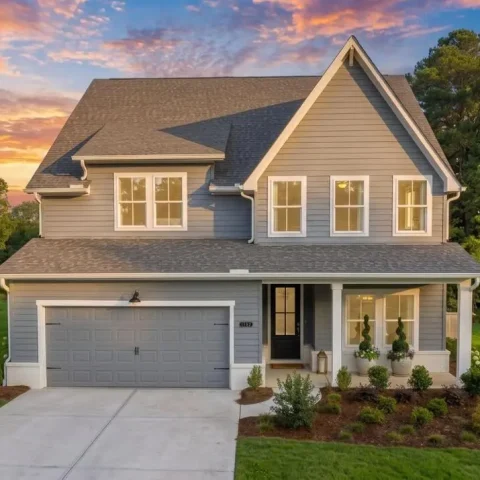
Many working people believe you need a high salary to own a home. However, that is simply not true. Every year, millions of buyers on tight budgets purchase their first home using smart programs and free resources. If you want to know how to buy a house with low income, this guide gives you every step you need.
First, let’s answer the most important question: yes, you can buy a home even with a modest paycheck. Because the U.S. government offers special loan programs and free assistance, a low income does not have to hold you back.
Can You Really Buy A Home On A Low Income?
The short answer is: absolutely. In fact, the government created special mortgage programs specifically for buyers like you. Therefore, your first job is to understand which program fits your situation best.
Moreover, many state and local governments offer free grants and assistance to cover your down payment. So, even saving a large sum of cash upfront may not be required.
Best Low-Income Home Loan Programs In 2026
Fortunately, you have three main government-backed loan programs to choose from. Each one has different rules and benefits, so compare them carefully.
FHA Loans: The Easiest Path For First-Time Buyers
The Federal Housing Administration (FHA) backs these loans. They are ideal for buyers with lower credit scores or limited savings. You only need a 3.5% down payment, and banks accept scores as low as 580. Additionally, the qualification rules are much easier than a standard bank loan. Consequently, FHA loans are the most popular choice among first-time buyers across America.
USDA Loans: Zero Down Payment For Rural Homes
If you plan to live outside a major city, a USDA loan could be your best option. This program requires no down payment at all. However, the home must be in an eligible rural or suburban area, and your household income must fall below the local limit. You can check your area’s eligibility directly on the U.S. Department of Agriculture official website.
VA Loans: The Best Deal For Military Families
Are you a veteran, active-duty service member, or a surviving spouse? If so, a VA loan gives you one of the best deals available. It requires no down payment and offers some of the lowest interest rates in the mortgage market. Furthermore, there is no private mortgage insurance (PMI) required, which saves you hundreds of dollars each month.
Compare Low-Income Mortgage Programs At A Glance
| Loan type | Min. down payment | Min. credit score | Best for |
| FHA loan | 3.5% | 580 | First-time buyers, low credit |
| USDA loan | 0% | 640 | Rural/suburban homebuyers |
| VA loan | 0% | Varies | Veterans & military families |
| Conventional 97 | 3% | 620 | Buyers with good credit |
Source: HUD.gov & USDA eligibility guidelines, 2026
How To Improve Your Finances Before You Apply?
Before you apply for any loan, you should prepare your financial profile. Lenders look at more than just your monthly income. Therefore, fixing a few key areas can greatly improve your chances of approval.
Fix Your Credit Score First
Start by checking your credit report for free at AnnualCreditReport.com. Look for errors and dispute them right away. Next, pay down any small credit card balances you carry. Even a small improvement in your score can lower your monthly mortgage payment significantly.
Lower Your Debt-To-Income Ratio
Lenders calculate your debt-to-income (DTI) ratio to see how much of your income goes to monthly bills. A lower DTI makes you a safer borrower. So, try to pay off small personal loans or car payments before applying. As a result, the bank will approve you for a higher loan amount.
Free Down Payment Assistance Programs You Can Use Today
The biggest challenge for most low-income buyers is saving money for the down payment. Fortunately, you do not have to do it alone. Many state and local agencies offer free programs to help you cover upfront costs.
Here are the main types of assistance available:
- State grants – Direct cash grants from local governments that do not require repayment.
- Forgivable second mortgages – You borrow the down payment at 0% interest. If you stay in the home for five or more years, the lender erases the debt completely.
- Housing choice vouchers – In some states, you can use a Section 8 voucher to cover your monthly mortgage payment instead of rent.
- Employer assistance programs – Some companies offer housing grants to full-time employees as a workplace benefit.
You can find programs in your state through the U.S. Department of Housing and Urban Development (HUD) official database. Moreover, a HUD-approved housing counselor can guide you for free.
Step-By-Step: How To Buy A Home On A Budget
Follow these clear steps to move from renter to homeowner:
- Check your credit – Review your report and fix any errors immediately.
- Find a local lender – Choose one that works with government-backed loan programs.
- Get pre-approved – Know your exact budget before you start shopping.
- Apply for assistance – Contact your state housing agency for grants and vouchers.
- Shop realistically – Focus on homes within your pre-approved budget only.
- Make an offer – Work with a real estate agent who understands affordable housing.
- Close and move in – Complete your inspection, finalize paperwork, and get your keys.
Start Your Homeownership Journey Today
Buying a home on a modest income takes time and careful planning. However, it is completely possible for anyone willing to use the right programs and resources. By using government loans, fixing your credit, and applying for local financial help, you can stop paying rent and start building real wealth for your family.
Do not wait. The sooner you start, the sooner you can make how to buy a house with low income your reality. Contact a HUD-approved housing counselor today, explore your local assistance programs, and take your first step toward owning a home.