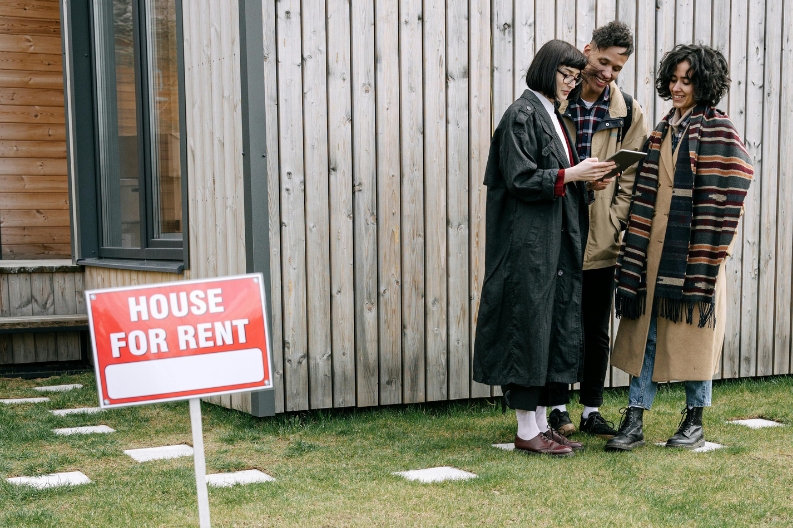
Are you ready to buy your first home but worried about the upfront cost? First-Time Home Buyer Grants are here to help. These programs give you free money, or very low-cost loans, so you can afford a down payment and closing costs. Thousands of Americans use these grants every year to become homeowners. Therefore, if you think homeownership is out of reach, this guide will show you a clear, step-by-step path forward.
What Are First-Time Home Buyer Grants and How Do They Work?
A home buyer grant is free money from a government agency, non-profit group, or state housing authority. Unlike a regular loan, you do not need to pay it back. Because of this, many first-time buyers use grants to cover their biggest hurdle, the down payment.
Grant vs. Forgivable Loan: What Is the Difference?
A true grant is free from day one. A forgivable loan, however, is a second mortgage that slowly disappears after 5-10 years if you stay in your home. Both options save you thousands of dollars upfront.
Top Government Housing Programs Every First-Time Buyer Should Know
The U.S. government offers several powerful programs to help new buyers. Furthermore, many of these programs work together, so you can combine them for even more savings.
FHA Loans, Best for Low Credit Scores
The Federal Housing Administration backs FHA loans. They only require a 3.5% down payment and accept credit scores as low as 580. Additionally, you can combine an FHA loan with local closing cost help. You can learn more about this program at the U.S. Department of Housing and Urban Development.
USDA Loans, Zero Down Payment for Rural Buyers
If you want to live in a rural area or small town, a USDA loan is a great choice. It offers 100% financing, which means you need zero down payment. The Department of Agriculture backs these loans to support community growth. Visit USDA Rural Development to check if your area qualifies.
VA Loans, No Down Payment for Veterans and Military Families
VA loans are for military veterans, active-duty service members, and surviving spouses. Remarkably, they require no down payment at all and offer some of the lowest interest rates in the market. There are also no private mortgage insurance (PMI) fees, so your monthly payment stays lower.
How to Qualify for Down Payment Assistance in Your State
State and local governments want to support new buyers. Therefore, most states offer their own down payment assistance programs. However, you must meet some basic requirements:
- Income limit: Your household income must fall below your city or county’s average limit.
- Credit score: Most programs require a score of at least 620.
- Primary home only: You must live in the house as your main residence. Grant money cannot be used for rentals or vacation homes.
- Homebuyer education: You must complete a short financial literacy course. You can find approved online courses through the Consumer Financial Protection Bureau.
State-Level and Local Programs, More Free Money Near You
Beyond federal options, every U.S. state has its own Housing Finance Agency (HFA). These agencies offer grants, forgivable loans, and low-interest mortgages exclusively for first-time buyers. For example:
- California: The CalHFA program offers deferred-payment loans for down payment help.
- Texas: The TDHCA offers up to 5% of the loan amount in down payment assistance.
- Native American buyers can additionally access the HUD Section 184 loan program, which offers flexible underwriting with a low down payment.
Consequently, no matter where you live, there is likely a program designed specifically for your situation.
Step-by-Step Guide: How to Apply for a Grant Today
Applying is simpler than most people think. Here is how to get started:
- Check your credit score early and fix any errors on your report.
- Gather your documents – tax returns, pay stubs, and bank statements.
- Find a participating lender – not every bank works with grant programs, so ask your agent for recommendations.
- Complete a homebuyer education course online or in person to receive your certificate.
- Apply through your lender – they will submit your grant application alongside your mortgage.
Final Thoughts
Buying your first home does not have to feel impossible. With the right support, you can reduce your costs dramatically. Therefore, do not wait, start researching First-Time Home Buyer Grants in your state today and take the first real step toward owning your own home.