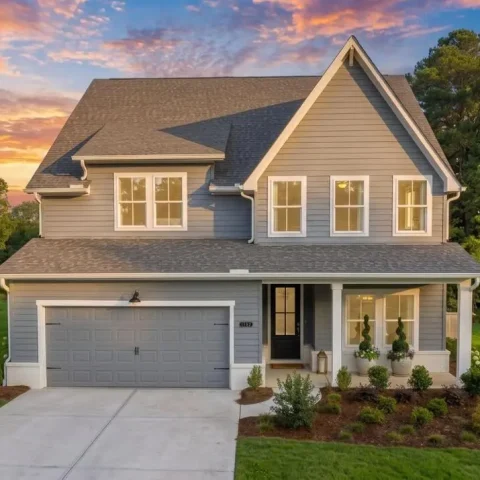
Are you tired of renting but not quite ready for a mortgage? If so, the Rent-to-Own Homes Process Guide is exactly what you need. This approach helps you move into your dream home today, and buy it later. Furthermore, it gives you real time to save money, fix your credit, and prepare for ownership. Let’s walk through every step together, simply and clearly.
What Is a Rent-to-Own Agreement?
A rent-to-own agreement combines a regular rental lease with a future option to buy the home. Basically, you rent the house now with the plan to purchase it later. Therefore, instead of saving money separately, you already live in the property you want to own.
This approach works well for people who love a home but are not yet financially ready to buy it through a traditional bank loan.
Two Types of Rent-to-Own Contracts
Before you sign anything, you must understand these two very different contract types:
- Lease-Option Agreement – This gives you the right to buy the home when the lease ends. However, you are not forced to buy it if you change your mind.
- Lease-Purchase Agreement – This legally requires you to buy the property at the end of the lease term. So, always read this contract carefully with a real estate lawyer before signing.
Always hire a licensed real estate attorney to review your contract before you sign. Even small wording differences can significantly change your legal rights.
How the Rent-to-Own Process Works? Step by Step
The process follows a clear and structured path. Consequently, both the buyer and the seller stay protected throughout the entire agreement.
- Pay the Upfront Option Fee
First, you pay a one-time, non-refundable fee to lock in your right to buy the home later. Typically, this fee ranges from 1% to 5% of the home’s purchase price. Moreover, most sellers apply this fee toward your final down payment, so it’s not wasted money. - Agree on the Future Purchase Price
Next, you and the seller agree on the home’s purchase price before you move in. Sometimes it matches today’s market value. Other times, the seller estimates the home’s value when your lease expires. Therefore, always research local property trends before locking in a number. - Pay Monthly Rent Plus a Rent Premium
Every month, you pay your regular rent plus a small extra amount called arent premium credit. The seller holds this extra money in a separate account. As a result, these credits build up over time and reduce your final mortgage balance when you buy. - Build Credit and Savings During the Lease
During the lease period, usually one to five years, you work on improving your credit score and saving additional closing costs. Additionally, this is the right time to consult a mortgage lender so you know exactly what you need to qualify. - Exercise Your Purchase Option
Finally, when the lease ends, you use your saved credits and option fee to complete the home purchase. At this point, your mortgage lender processes your loan and you officially become the homeowner.
Financial Breakdown: What Does Rent-to-Own Actually Cost?
Understanding the numbers upfront helps you plan better. Below is a simple cost breakdown to guide your budget:
| Financial Component | Typical Range | Where the Money Goes |
| Upfront Option Fee | 1%-5% of home value | Applied toward your future down payment |
| Base Monthly Rent | Local market rate (e.g. $1,800-$2,500) | Covers the seller’s housing costs |
| Monthly Rent Premium | $150-$400 extra per month | Accumulates as a purchase credit |
| Contract Duration | 1-5 years | Time to repair credit and save cash |
| Final Mortgage Required | Agreed purchase price minus credits | Standard home loan at lease end |
Who Benefits Most from a Rent-to-Own Program?
This strategy is not for everyone. However, it is a powerful tool for specific buyers who need more time before qualifying for a traditional loan.
- Credit Rebuilders – If a past financial hardship hurt your credit score, this plan gives you a safe two-to-four-year window to pay off debts and raise your score before applying for a mortgage.
- Self-Employed Workers – Banks typically require at least two years of documented business income. Therefore, rent-to-own gives you time to build that track record while living in your desired home.
- First-Time Buyers – This approach lets you lock in a home at today’s price while you save for closing costs and down payment funds. Additionally, you learn about homeownership responsibilities before you legally own the property.
- Relocating Families – If you just moved to a new city, rent-to-own helps you test the neighborhood before committing to a full purchase. Consequently, you avoid buyer’s remorse on a major investment.
Key Steps to Protect Yourself in a Rent-to-Own Deal
Following these practical tips will help you avoid common pitfalls and protect your investment throughout the process.
- Get a Professional Home Inspection– Before you sign anything, hire a certified home inspector. Discovering hidden structural, roof, or plumbing issues early saves you thousands of dollars later.
- Clarify Maintenance Responsibilities– Define clearly in the contract who handles repairs. Generally, tenants manage small fixes, while sellers cover major systems like HVAC or the roof.
- Start Mortgage Pre-Approval Planning Early– Work with a licensed mortgage broker during your lease period. That way, you know your exact credit targets and debt ratio limits well before the purchase deadline.
- Research the Home’s Current Market Value– Use tools like Zillow or Realtor.com to compare similar homes in the area. This ensures the agreed purchase price is fair and reasonable.
- Consult Government Housing Resources– The U.S. Department of Housing and Urban Development (HUD) offers free guidance on buyer rights, fair housing laws, and approved housing counselors in your area.
Rent-to-Own vs. Traditional Mortgage: A Quick Comparison
| Feature | Rent-to-Own | Traditional Mortgage |
| Credit Score Required | Flexible (builds during lease) | 620+ typically required |
| Down Payment Timing | Gradual, built via rent credits | Required upfront at closing |
| Move-In Timeline | Immediate after contract | After full loan approval |
| Purchase Commitment | Optional (lease-option) or required | Always required at closing |
| Risk if Deal Falls Through | Loss of option fee and credits | Loan rejection only |
Start Your Path to Homeownership Today
Owning a home is one of the biggest goals in life. Fortunately, a rent-to-own program gives you a realistic bridge between renting and buying. Moreover, it lets you live in your chosen home while preparing financially and improving your credit. By following this complete Rent-to-Own Homes Process Guide, you gain clarity, confidence, and a clear timeline to become a homeowner. Therefore, consult a local real estate agent, review your finances, and take that first important step toward the keys to your dream home.