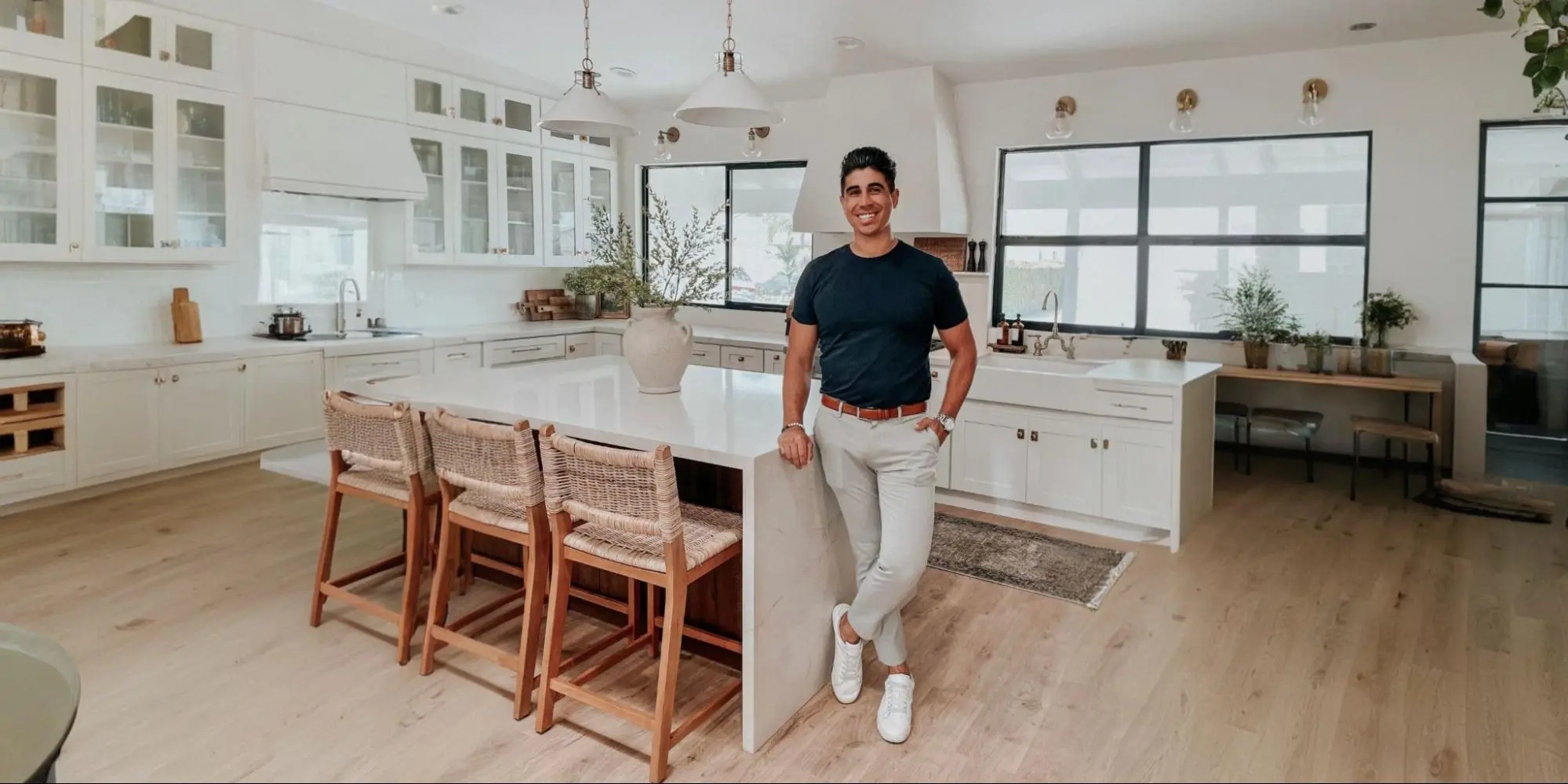
Ryan Fisher is a licensed California Realtor and the founder of Lovery Real Estate, a boutique San Diego brand operating under LPT Realty. He works with buyers, sellers, and investors across San Diego County, and a significant share of his clients are military. Before real estate, he played baseball at UC Irvine, was drafted by the Miami Marlins in 2010, and spent six years playing professionally. He does not talk about the game much. What he says stayed with him is the discipline it takes to show up every day in a competitive market.
Ryan recently passed $50 million in career sales volume, and he is quick to point out that a lot of that number came from repeat clients and referrals. That matters to him more than the figure itself. His brand was built around a simple observation about the industry. Most agents stop at the keys. The transaction ends, the relationship ends with it, and the client is left holding a house that needs work, without knowing what is worth doing, who to call, or what any of it should cost. Ryan founded Lovery in 2025 to close that gap, and he has been steady about that idea since.
Where the Idea Came From
Ryan grew up in a family business. Fisher Bros. House Moving, out of Stockton, is a family-run company dating back to the late 1850s. He knew early that he did not want to be the one crawling underneath houses, but he was always drawn to what a house could become, the renovation potential, and the part where you can see the change. Real estate gave him different people every day and a tangible product he gets to watch change hands. When things get hard, he thinks about his father. “Heavy lifting, dirty job, up at three or four in the morning to commute to the Bay Area, day in and day out,” he said. “Honestly, I am spoiled. I get to tour beautiful homes for a living.”
The Gap Between a House and a Home
The buy side of Lovery is built around what happens after closing. Clients get renovation guidance, project ideas, and Ryan’s contractor contacts, so they are not starting from zero on a house that needs work. He renovates properties in San Diego himself, so the advice comes from projects he has done rather than a referral list. His wife, Liz Lovery, is an interior designer who runs her own brand and leads design strategy on their projects. “Between the two of us, the construction side and the design side are both covered by people who do this for real,” he explained. They run two separate businesses, but he describes them as sharing one idea about what a home is supposed to be.
Selling in the Condition That Earns a Premium
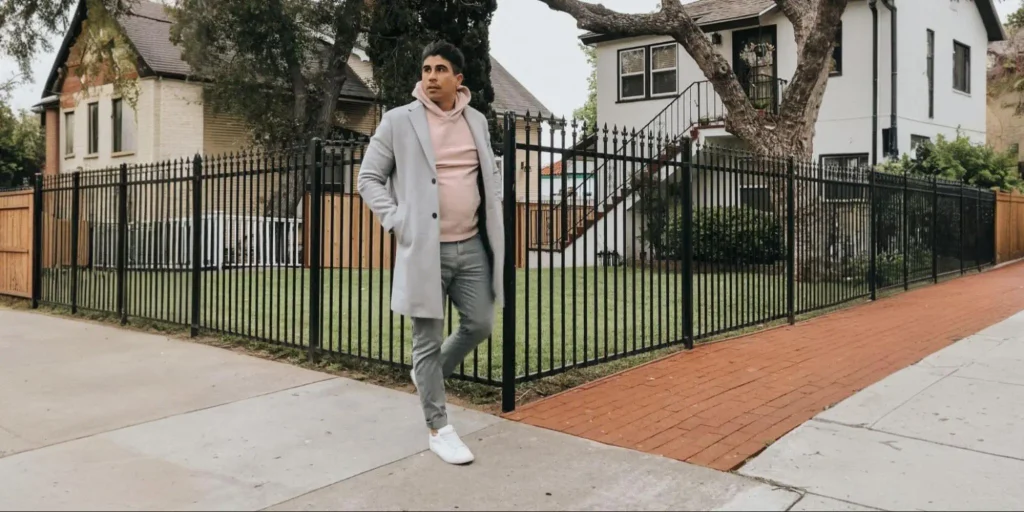
On the sell side, the same problem runs in reverse. Most sellers know their home would bring more with paint, flooring, and real staging, but the money is not there until after the sale, so the house goes to market in the condition they can afford that month. The Lovery Concierge Program fronts the cost of repairs and improvements before listing, with no upfront charge to the seller. Ryan is clear about why more agents do not offer this. “Fronting seller prep capital means putting your own money at risk on a house you do not own, before you have earned anything,” he said. It is a risk he has decided is worth taking.
The Clients He Is Most Useful To
The people Ryan says he helps most are usually selling a house they did not plan to sell. Probate and inherited property. Divorce. Pre-foreclosure. A rental with tenants still in it. In those situations, selling is rarely the hardest thing the person is dealing with. It is just the part nobody in the family knows how to handle. A probate sale has court authority requirements. A divorce sale has two clients who may not agree. Pre-foreclosure has a hard date attached. “So the help is not encouragement,” he said. “It is accurate information early enough to be useful, honest math on each path, and being the person who handles the parts they should not have to learn.”
Learning What a Normal Market Looks Like
Ryan is open about his biggest mistake. He got his license going into the COVID years, when listings sold the first weekend with multiple offers, and he took that as normal. It was not. The market is slower now, and inventory is still tight, with San Diego County detached inventory in July roughly 25 percent below a year earlier. But the frenzy is gone, and a house that does not sell in ten days is not a failed listing. Setting that expectation up front is now one of the most important things he does. “If someone lists thinking they will have five offers by Sunday, every day after that feels like something went wrong,” he explained.
What is next is making the part of Lovery that starts after closing a real, defined part of the business rather than something that happens because a client happened to hire him. It is a quiet ambition, and it fits the way he already works. More on Ryan and Lovery Real Estate can be found at https://loveryrealestate.com/.