In a city as layered and dynamic as Cairo, architecture must respond to more than just aesthetics. It must address density, climate, culture, and the daily rhythms of life. The modern home in Cairo must balance openness with privacy, light with shade, and movement with stillness. Few projects capture this balance as thoughtfully as Beit Hawa, a newly completed Cairo villa designed by architect Mohamed Badie.
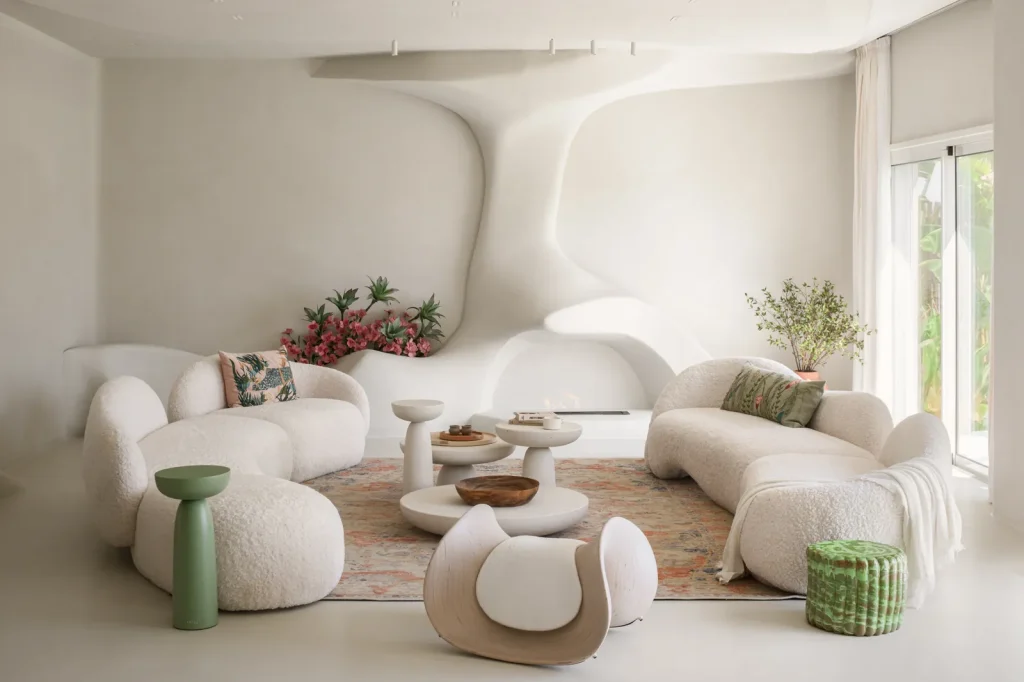
This sculptural residence introduces a fresh perspective on contemporary Egyptian architecture. Instead of relying on rigid layouts and decorative excess, Beit Hawa embraces fluidity, texture, and emotional experience. The villa feels less like a constructed building and more like a space carved from the earth. With its soft curves, raw plaster finishes, and immersive spatial flow, the project stands as a powerful example of organic architecture in Cairo.
Mohamed Badie and His Architectural Philosophy
Mohamed Badie, founder of Badie Architects in Cairo, has built a reputation as one of Egypt’s most distinctive architectural voices. His work reflects a philosophy rooted in expressionism, human experience, and spatial freedom. Rather than designing static structures, Badie approaches architecture as a living system.
He believes that buildings should connect deeply with their inhabitants. His goal is not simply to create functional homes, but to shape environments that evoke emotion and encourage interaction. According to Badie, architecture should liberate the human spirit and strengthen the relationship between people and place.
This philosophy comes to life in Beit Hawa. The villa demonstrates how thoughtful design can transform a home into an experience. Every surface, curve, and opening contributes to a sense of harmony and continuity.
Beit Hawa Cairo Villa as an Organic Living Space
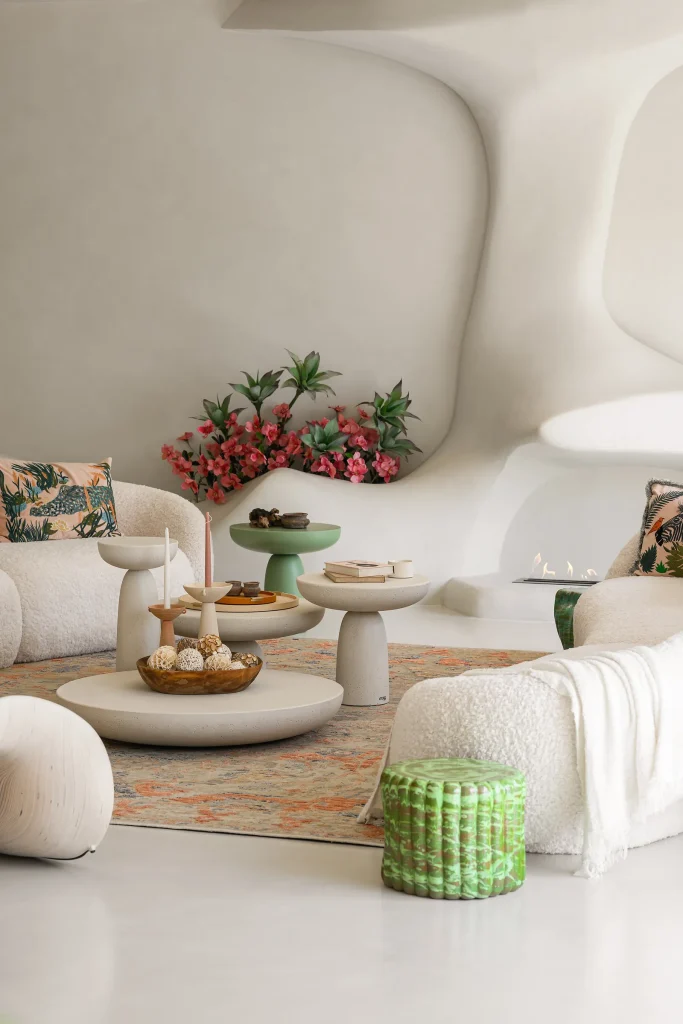
Beit Hawa, which translates to “House of Air,” reflects the idea of organic living. The villa does not follow traditional room divisions or strict architectural rules. Instead, it flows naturally from one space to another.
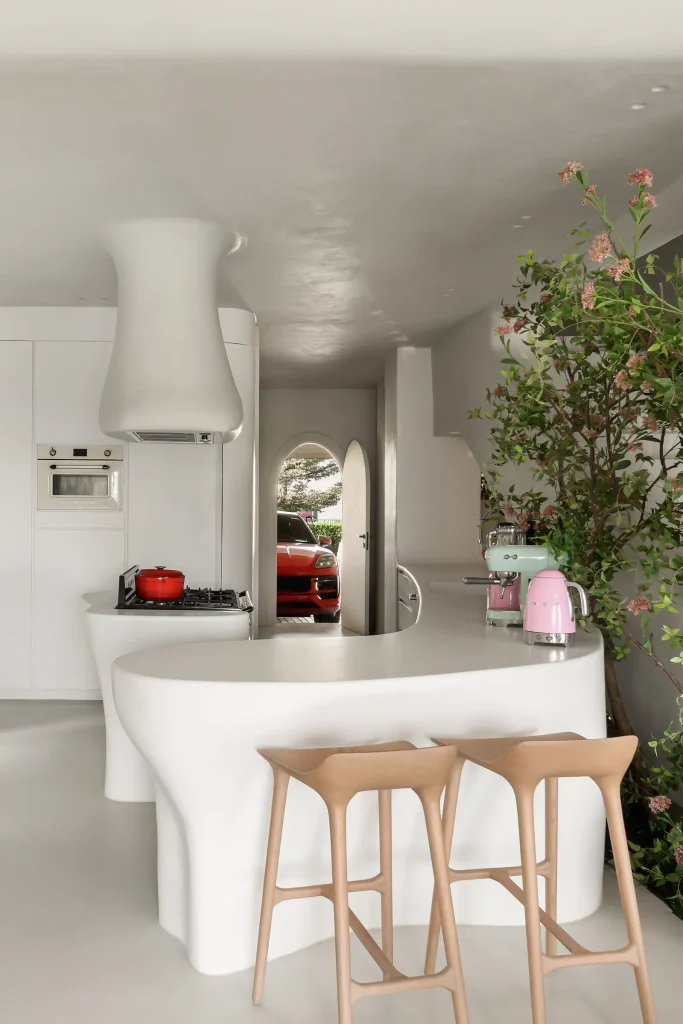
The design removes rigid boundaries between rooms. Walls curve gently, guiding movement rather than restricting it. Circulation feels intuitive and seamless. Each space connects to the next without abrupt transitions.
This approach allows the home to adapt to its inhabitants. Instead of forcing people to follow a predefined layout, the villa responds to how they move, interact, and live. The result is a dynamic environment that evolves with daily life.
Badie describes this concept as allowing space to behave according to movement, light, and use. In Beit Hawa, architecture supports life rather than controlling it.
Sculptural Design and Cave Inspired Architecture
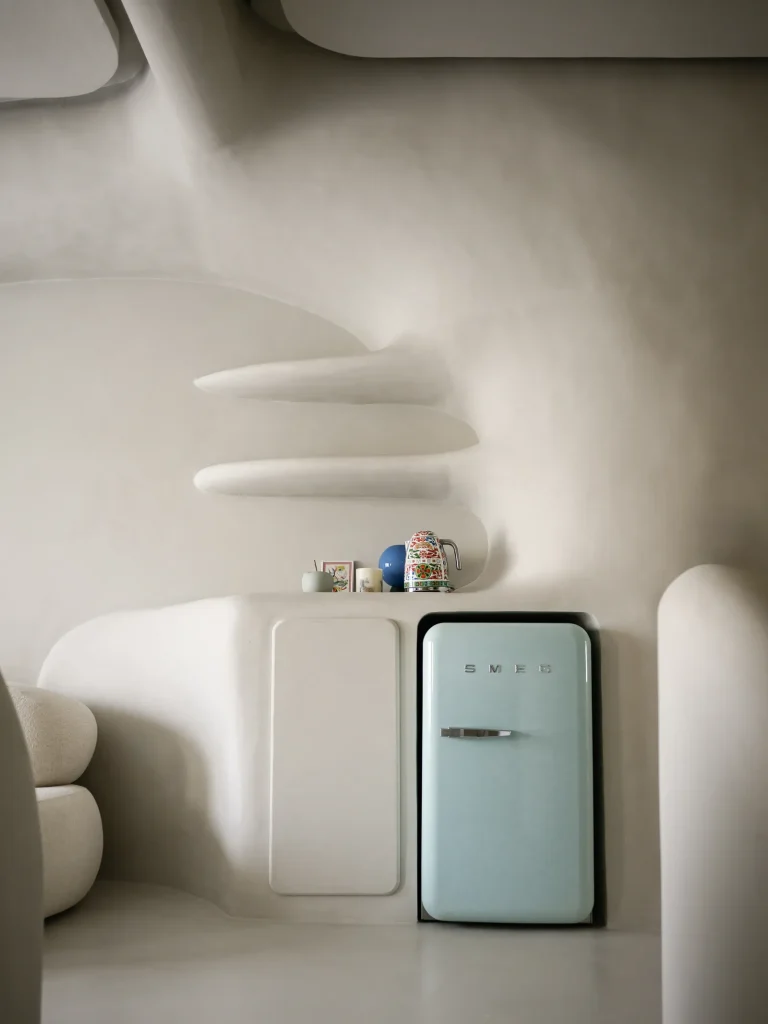
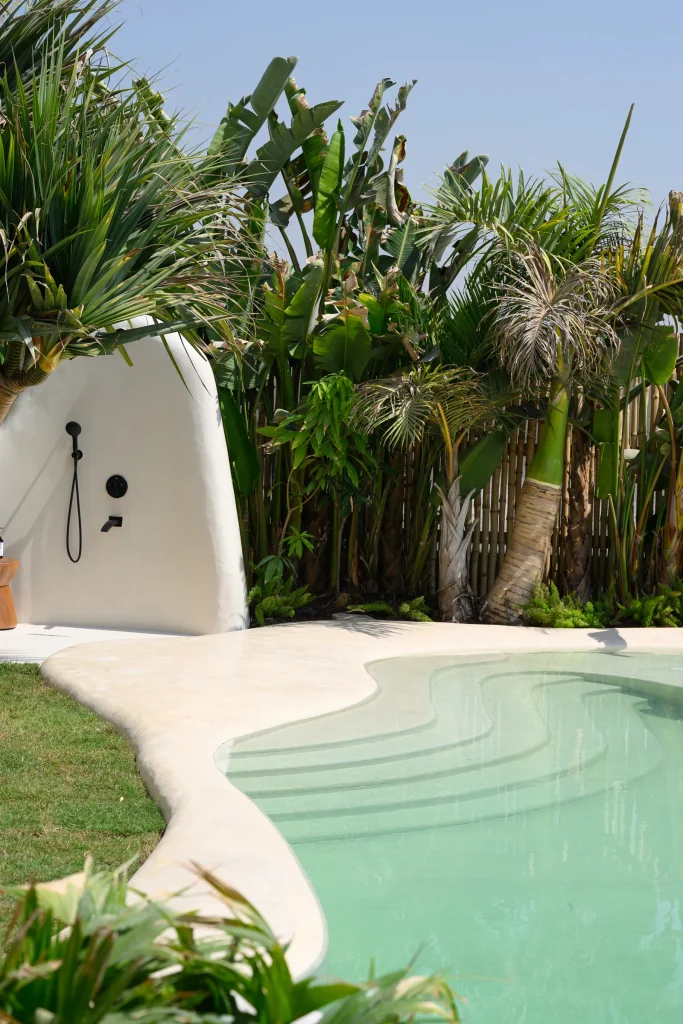
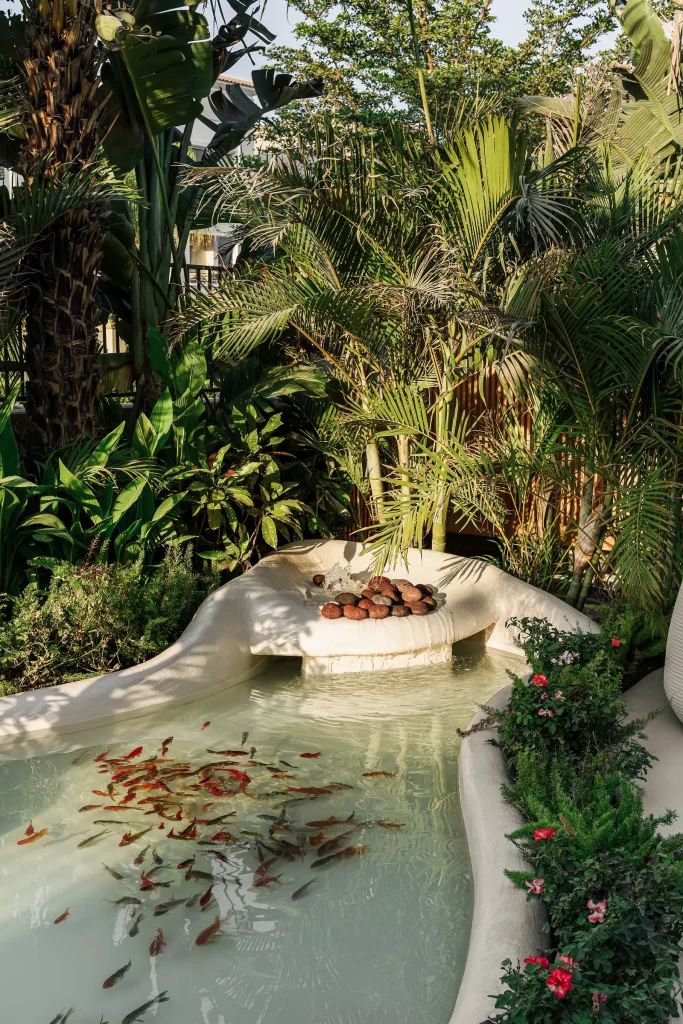
One of the most striking aspects of this Cairo villa is its cave-like quality. The design draws inspiration from natural formations, where spaces feel enclosed yet expansive at the same time.
The curved walls and ceilings create a sense of protection. At the same time, the open flow of the layout prevents the space from feeling confined. This balance between enclosure and openness defines the character of the home.
The villa’s sculptural design transforms everyday living into a sensory experience. Surfaces do not remain flat or predictable. Instead, they bend, rise, and wrap around the inhabitants. This creates a continuous visual and physical dialogue between space and user.
The result feels both modern and timeless. It reflects contemporary design thinking while drawing on primal architectural instincts.
Raw Plaster and Tactile Materiality
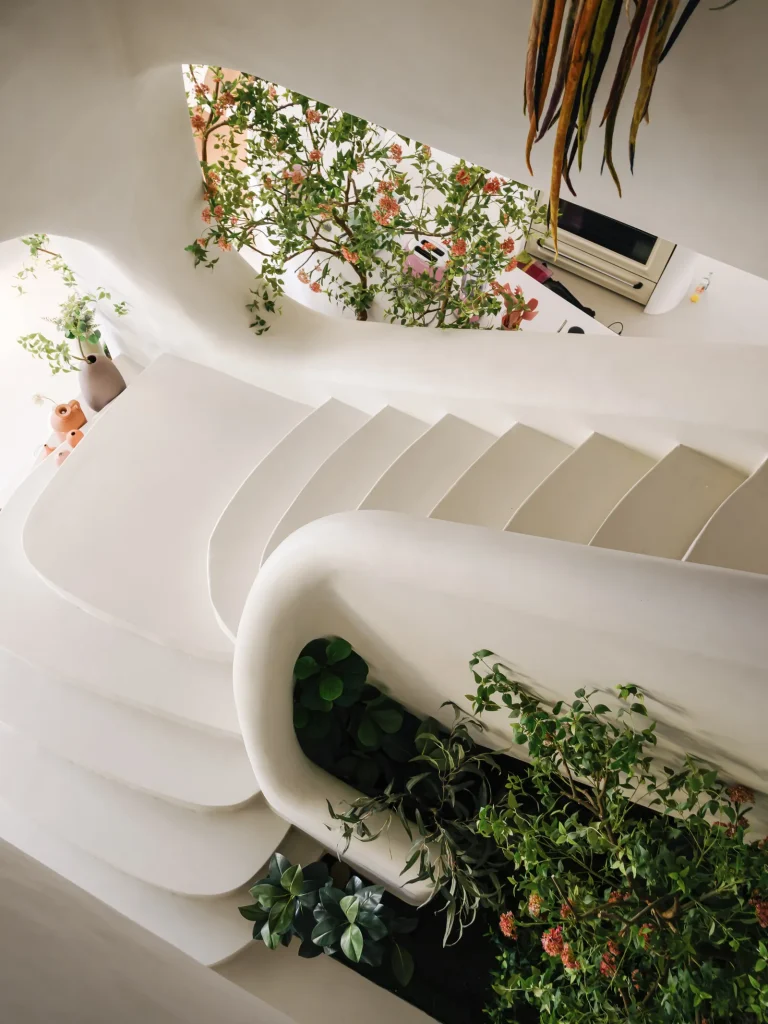
Material choice plays a central role in shaping the identity of Beit Hawa. The use of raw plaster gives the villa its distinctive texture and warmth.
Unlike polished or glossy finishes, raw plaster introduces depth and imperfection. It invites touch. It changes subtly with light throughout the day. These qualities create a sense of intimacy that enhances the living experience.
Every detail in the villa reflects careful craftsmanship. The architect designed each element as a unique gesture rather than repeating standard forms. From built in features to sculpted surfaces, the home feels entirely custom and deeply personal.
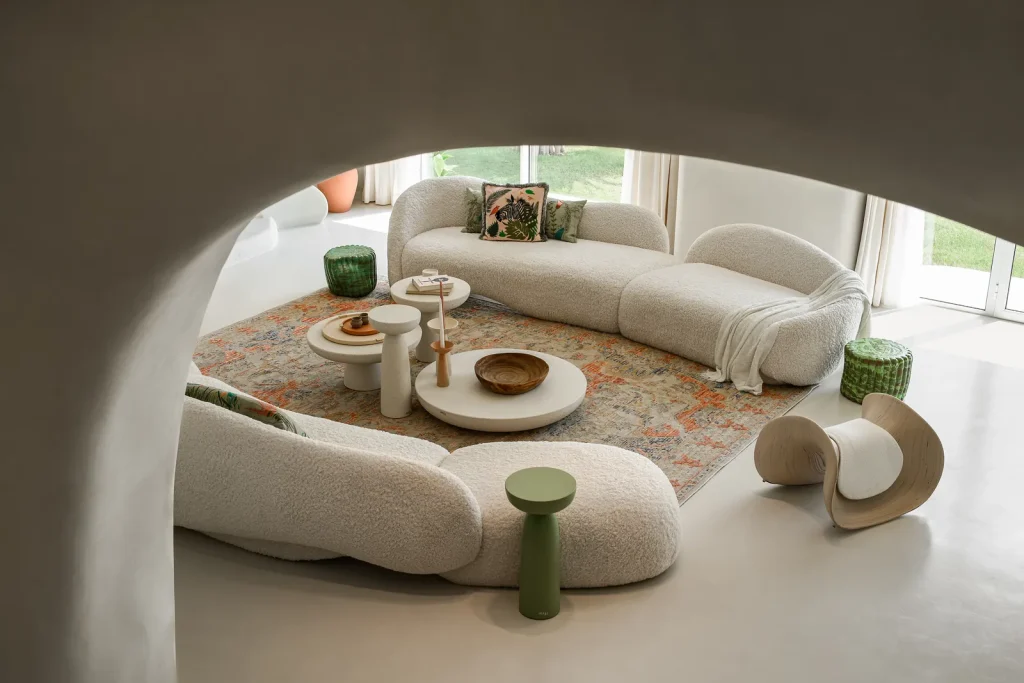
A sculptural fireplace anchors the main living area. It acts as both a functional element and a visual centerpiece. Its form reinforces the cave-like atmosphere and adds to the overall sense of cohesion.
The Role of Light in the Cairo Villa Design
Light shapes the experience of Beit Hawa in profound ways. Instead of treating light as a simple necessity, the design uses it as a creative tool.
Openings are placed strategically to highlight textures and curves. As sunlight enters the villa, it interacts with the surfaces, creating shadows and reflections that shift throughout the day. This movement brings the space to life.
Indirect lighting further enhances this effect. It reveals depth without overwhelming the senses. The goal is not uniform brightness, but a layered and dynamic atmosphere.
The placement of openings also supports social interaction and privacy. Some areas open outward to views and shared spaces, while others remain more enclosed. This balance allows residents to choose between engagement and retreat.
Climate Responsive and Sustainable Architecture in Cairo
Sustainability in Beit Hawa does not rely on complex technology. Instead, it emerges through thoughtful design choices that respond to Cairo’s climate.
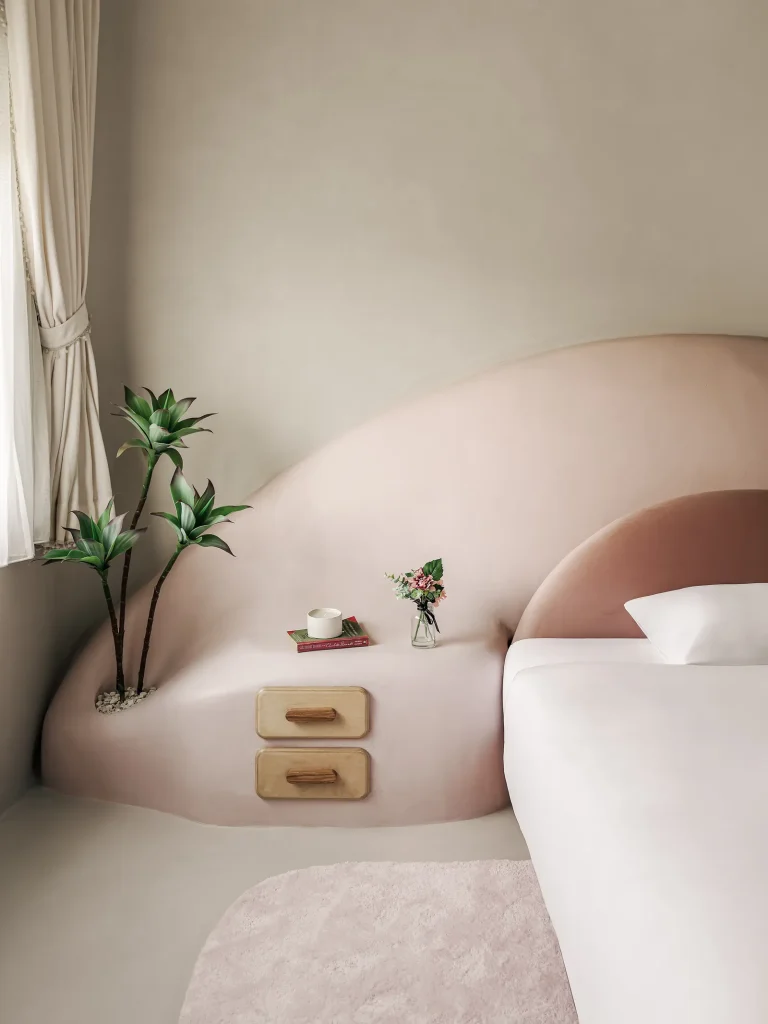
The villa uses thermal mass to regulate temperature naturally. Thick walls help maintain indoor comfort by absorbing and releasing heat gradually. Controlled openings allow for ventilation while limiting excessive heat gain.
Layered interiors create additional comfort. Spaces transition from more enclosed areas to more open ones, allowing residents to adapt to changing conditions throughout the day.
Materials also contribute to sustainability. Raw plaster and natural finishes age gracefully over time. They develop character rather than deteriorating quickly. This reduces the need for frequent renovation.
Badie emphasizes that adaptable architecture offers a more sustainable solution than buildings that require constant replacement. Beit Hawa reflects this principle by designing spaces that can evolve without major structural changes.
Redefining Luxury in Egyptian Residential Design
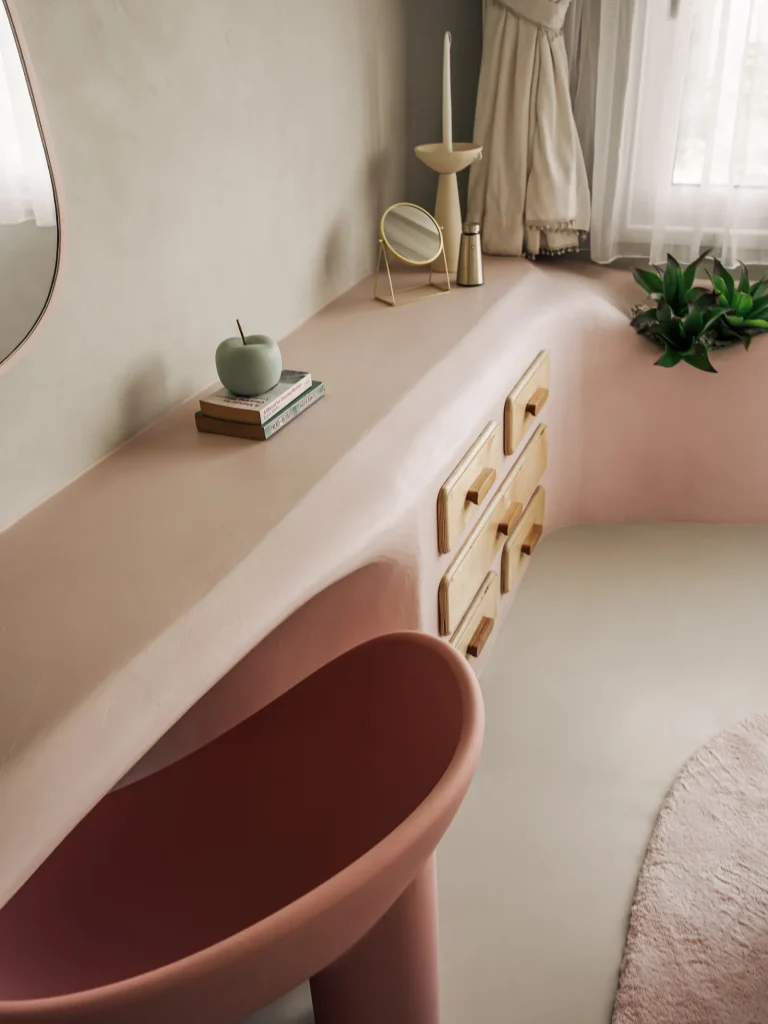
Beit Hawa introduces a new definition of luxury in Cairo’s residential architecture. Instead of focusing on decorative elements or expensive materials, the villa prioritizes experience.
Luxury, in this context, comes from space, light, and emotion. It comes from the way a home makes its inhabitants feel. The tactile surfaces, flowing layout, and immersive atmosphere create a sense of richness that goes beyond visual appeal.
This approach aligns with a broader shift in global architecture. More homeowners now value authenticity, comfort, and connection over ornamentation. Beit Hawa reflects this change while remaining rooted in its local context.
A New Direction for Contemporary Cairo Architecture
The Cairo cave villa by Mohamed Badie represents more than a single project. It signals a new direction for contemporary Egyptian architecture.
As cities continue to grow and evolve, architects must find ways to create meaningful living environments within complex urban conditions. Beit Hawa offers one possible answer. It shows how design can balance density with privacy, structure with fluidity, and modernity with tradition.
The villa stands as a reminder that architecture can do more than provide shelter. It can shape experiences. It can influence how people feel, move, and connect with their surroundings.
Conclusion
Beit Hawa by Mohamed Badie reimagines what a modern Cairo villa can be. Through sculptural design, raw materials, and a focus on human experience, it creates a home that feels both grounded and transformative.
The project demonstrates how organic architecture can respond to climate, culture, and lifestyle in a cohesive way. It challenges conventional ideas of space and luxury while offering a deeply personal and immersive living environment.
In Beit Hawa, architecture becomes more than a structure. It becomes a living space that evolves with its inhabitants. It invites movement, reflection, and connection.
As Cairo continues to expand, projects like this will play an important role in shaping the future of residential design. They remind us that thoughtful architecture can elevate everyday life while staying rooted in simplicity and purpose.